
The role of energy-efficient buildings in the sustainability equation

Retailers continue to expand sustainability and ESG requirements, pushing suppliers to improve transparency, emissions reporting, packaging sustainability and responsible sourcing practices.
For suppliers, this creates a new operational challenge: meeting retailer compliance expectations while controlling costs and maintaining delivery performance. As a result, supply chain efficiency has become a larger strategic priority across logistics and distribution operations.
At the same time, sustainability efforts are under greater scrutiny when it comes to how products move through the
supply chain, including the environmental impact of distribution facilities, energy usage and operational infrastructure. Suppliers that can demonstrate alignment with retailer sustainability priorities are better positioned to strengthen partnerships and reduce compliance-related friction. Here’s how energy-efficient buildings support a 3PL’s broader supplier sustainability strategy.
Improve Warehouse Performance
Energy-efficient warehouse design is becoming a critical part of modern supply chain operations. Distribution facilities consume large amounts of energy through lighting, HVAC systems, dock operations and material handling equipment, making building performance a major factor to achieving operational costs and sustainability outcomes.
As suppliers face increasing pressure to support retailer ESG initiatives, many are reevaluating warehouse infrastructure to improve energy efficiency while balancing operational performance and long-term scalability.
At a minimum, 3PLs should consider the following features when developing modern, energy-efficient warehouse facilities:
•Motion-sensor LED lighting systems;
•High-efficiency HVAC infrastructure;
•Skylights and natural lighting integration;
•Energy-efficient insulation and roofing materials;
•Battery-powered warehouse equipment; and
•Smart building monitoring systems.
These building upgrades reduce overall energy consumption while improving operational consistency and lowering long-term maintenance demands. For suppliers operating across complex retail networks, even incremental efficiency gains can strengthen their bottom line, improve supply chain performance and drive business growth.
Accelerate Retail Compliance Goals
Retailers are placing greater emphasis on the environmental performance of their supply chains, including the facilities where products are stored, handled and distributed. As a result, suppliers are increasingly evaluating warehouse infrastructure through the lens of sustainability, compliance readiness and operational accountability.
To support evolving retailer expectations, today’s business leaders are prioritizing sustainability initiatives such as LEED-certified building standards, smart energy and emissions tracking systems and recycling programs for packaging and warehouse materials.
These efforts are designed to improve operational transparency and support measurable sustainability progress. In turn, suppliers are better positioned to align with retailer ESG priorities, strengthen compliance reporting and reinforce long-term customer partnerships.
Create Operational and Financial Advantages
Energy-efficient building design is no longer limited to reducing utility expenses. It plays a broader role in helping suppliers build more stable, scalable and future-ready operations. Facilities designed with sustainability in mind lower operating and maintenance costs, reduce equipment strain, improve temperature consistency and create more reliable warehouse environments that support operational excellence.
As energy costs continue to rise and sustainability expectations evolve, suppliers that invest in energy-efficient warehouse environments will be better positioned to deliver greater customer value. For companies supporting large-scale retail distribution, sustainable building design is an operational strategy that supports efficiency, compliance and long-term supply chain performance.
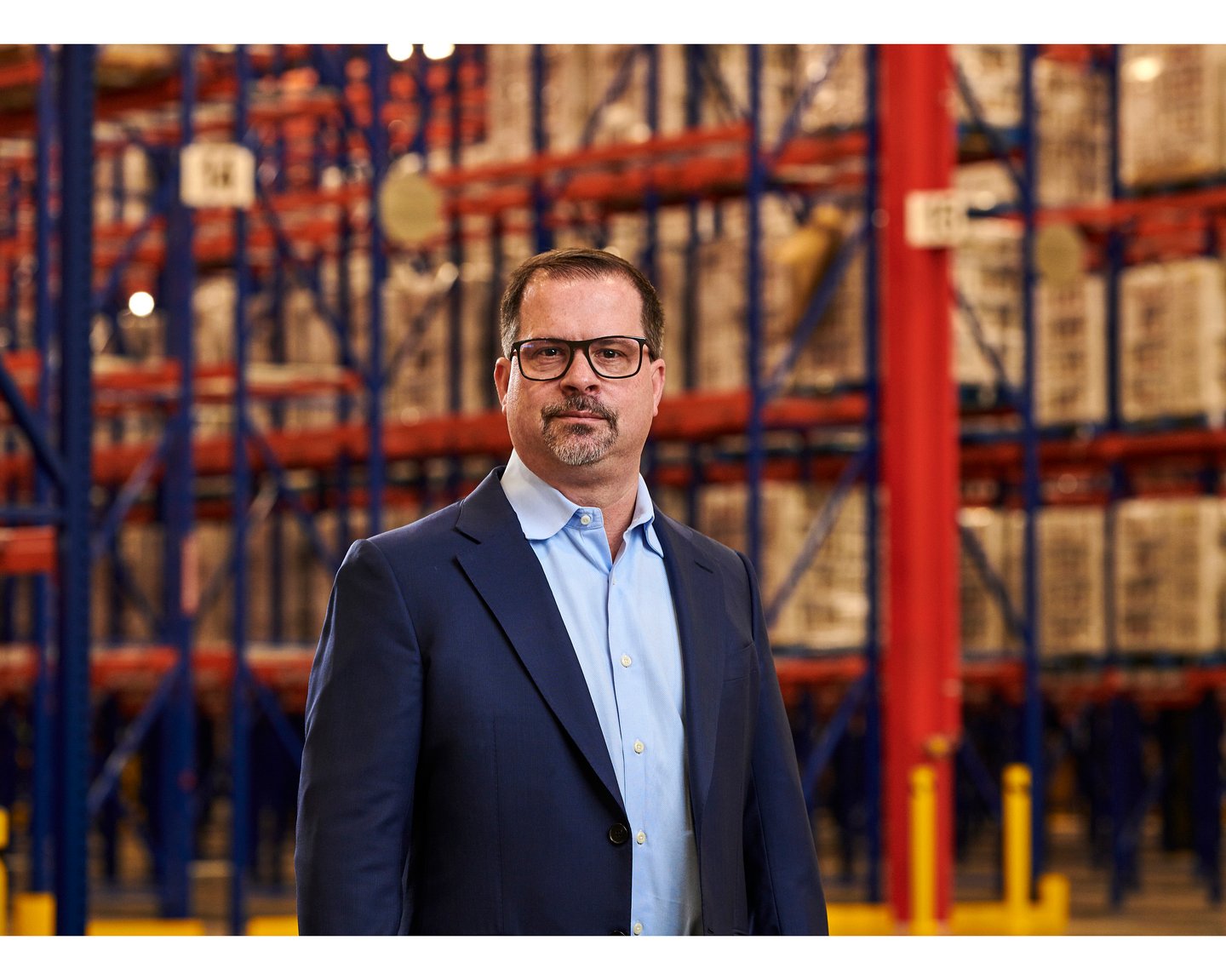
Kevin Williamson is CEO of RJW Logistics Group, a third-party logistics company that provides supply chain management and retail consolidation services specifically for CPG brands.